Social Media Engagement Strategies: 10 Tactics to Grow Your Community
SynthAI Team
Content Team
In 2026, the social media landscape no longer revolves around vanity metrics. Likes and follower counts are fleeting indicators; true, sustainable growth is built on meaningful interactions that foster community, drive conversions, and create passionate brand evangelists. Passive scrolling has been replaced by active participation, and platform algorithms now heavily favor content that sparks genuine conversation and retains audience attention.
This fundamental shift demands more than a basic posting schedule. It requires a sophisticated understanding of the specific social media engagement strategies that motivate audiences to connect, comment, and share. Generic advice falls short. Success now depends on tactical precision tailored to your specific business model, whether you're an e-commerce brand, a SaaS company, a marketing agency, or a content creator.
This comprehensive guide moves beyond the obvious to deliver 10 powerful, actionable strategies designed for immediate implementation. We will dissect platform-specific tactics for Instagram, TikTok, LinkedIn, and more, providing concrete examples and measurable KPIs for each. You will learn how to:
- Launch effective User-Generated Content (UGC) campaigns.
- Master real-time engagement and micro-moments.
- Build and nurture dedicated online communities.
- Leverage interactive content to boost participation.
We'll also explore how to operationalize and scale these efforts, turning your social channels into powerful, revenue-generating engines. Whether you are building an audience from scratch or reigniting a stagnant one, these proven methods provide the blueprint for building lasting connections and achieving measurable business outcomes.
1. User-Generated Content (UGC) Campaigns
User-generated content (UGC) campaigns are among the most powerful social media engagement strategies for building authentic brand communities. This approach involves encouraging your customers to create and share content featuring your products or services, which you then highlight on your official channels. By transforming customers into brand advocates, you foster a powerful sense of belonging and generate a steady stream of genuine, high-trust content.
This strategy works because it prioritizes authenticity over polished advertising. Research shows UGC can increase engagement rates by up to 5x compared to standard branded posts. Iconic examples include GoPro's customer-shot adventure videos and Glossier’s #GlossierGirl campaign, which turned everyday users into influential brand storytellers. This not only boosts engagement but also significantly reduces your in-house content production workload and costs.
How to Implement UGC Campaigns
To launch a successful UGC campaign, structure is key. A well-defined framework encourages participation and ensures the content aligns with your brand identity.
- Create Clear Guidelines: Establish a unique, memorable hashtag (like Starbucks' #RedCupContest). Provide simple instructions on what kind of content to create and how to submit it.
- Incentivize Participation: Offer compelling rewards for the best submissions. This could be anything from a prize package and gift cards to a prominent feature on your homepage or social media profiles.
- Engage with Submissions: Actively monitor your campaign hashtag. Like, comment on, and share submissions promptly to build momentum and make participants feel valued.
- Leverage and Repurpose: Showcase the best UGC across all your marketing channels. Feature customer photos in your email newsletters, on product pages, or even in digital ads to maximize their impact.
For businesses looking to scale, a platform like SynthAI can automate this entire workflow. Its Echo feature can curate, moderate, and schedule UGC reposts across multiple platforms, while Aura optimizes hashtags for maximum reach. Furthermore, you can track which UGC submissions drive the most conversions using Vantage analytics, providing clear data on your campaign's ROI.
2. Micro-Moments Marketing & Real-Time Engagement
Micro-moments marketing is a dynamic social media engagement strategy focused on capitalizing on intent-rich moments in real time. This approach involves monitoring online conversations, trending topics, and customer interactions, then responding instantly to capture attention when audience interest is at its peak. By being present and relevant in these fleeting windows, brands can build a reputation for being witty, responsive, and deeply connected to their community.
This strategy thrives on speed and authenticity, turning reactive engagement into proactive brand building. Iconic examples include Wendy's quick-witted Twitter roasts, MoonPie's quirky and responsive brand voice, and Netflix's ability to seamlessly join pop culture conversations. These brands don't just post content; they participate in the digital dialogue as it happens, creating memorable interactions that feel personal and generate significant organic reach.
How to Implement Real-Time Engagement
Successful real-time marketing requires a combination of preparation, monitoring, and agility. A clear framework ensures your team can act decisively without compromising brand voice.
- Set Up 24/7 Monitoring: Use social listening tools to track brand mentions, relevant keywords, and emerging trends. Speed is everything, so your team needs to be alerted to opportunities instantly.
- Establish a Clear Brand Voice: Define strict guidelines for your brand's personality, tone, and sense of humor. This empowers your team to respond confidently and consistently, even in fast-moving situations.
- Create Pre-Approved Response Templates: Prepare a library of templates for common scenarios like customer questions, positive feedback, or frequently discussed topics. This allows for rapid yet on-brand replies.
- Define an Escalation Protocol: Have a clear plan for handling sensitive or negative interactions. Know who needs to be involved and when to take a conversation offline to a private channel.
For brands operating at scale, a platform like SynthAI makes this manageable. Its Echo feature can monitor conversations and trending topics 24/7, while Nexus can coordinate instant, multi-platform responses. You can use Vantage analytics to track key metrics like response time and sentiment shift, proving the ROI of your real-time social media engagement strategies.
3. Community Building & Niche Engagement
Community building shifts the focus from broadcasting content to a wide audience to fostering deep relationships within a dedicated, high-value segment. This strategy involves creating exclusive spaces like Facebook Groups, Discord servers, or Slack channels where loyal customers can interact, share experiences, and evolve into brand advocates. For SaaS and e-commerce brands, these communities become powerful engines for generating recurring engagement, reducing customer churn, and creating invaluable feedback loops.
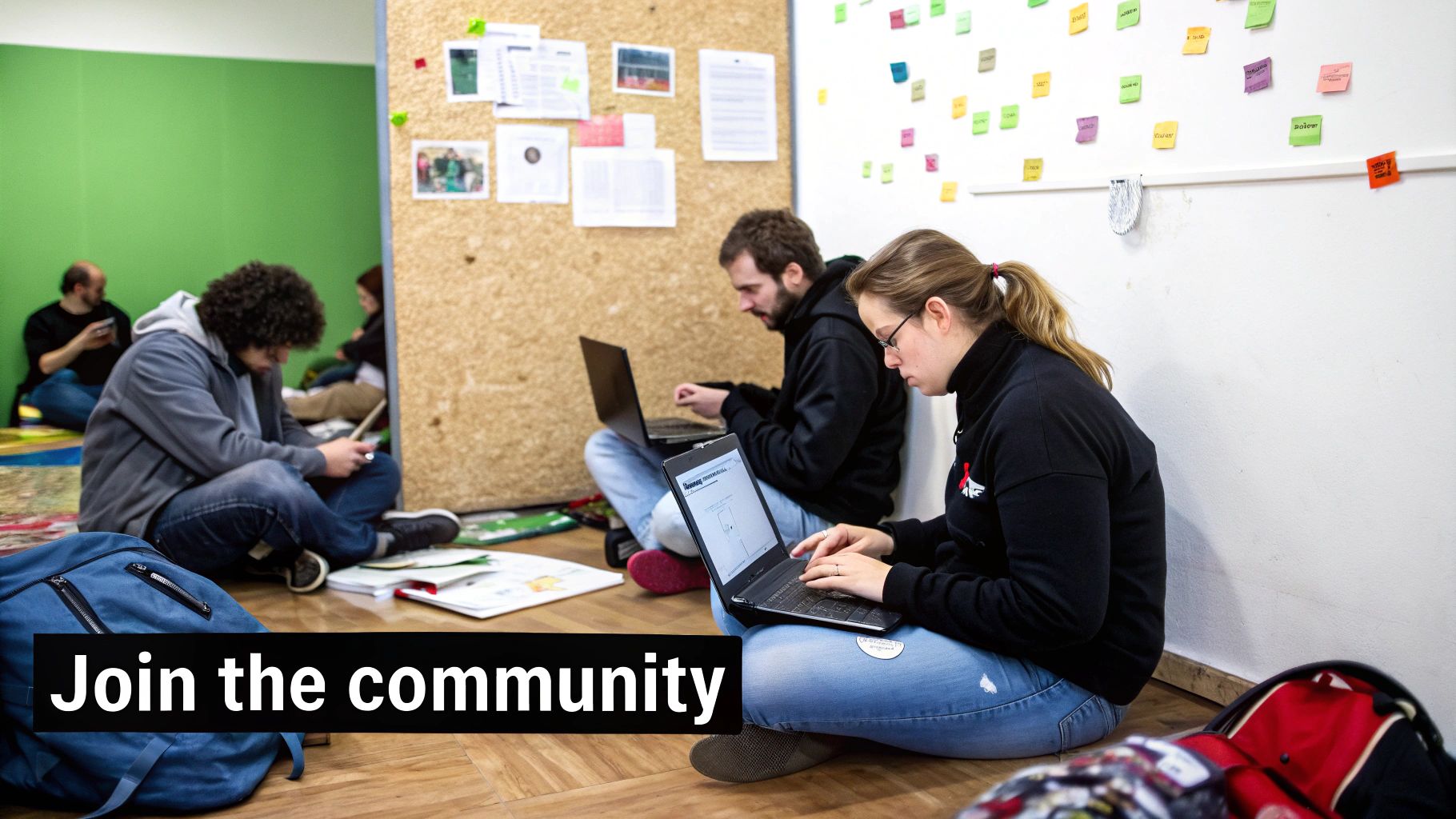
Unlike a public-facing social media page, a dedicated community provides a sense of belonging and exclusivity that strengthens customer loyalty. Brands like Peloton, with its member-driven challenges and forums, and Notion, with its thriving creator community and template library, have proven this model’s success. These spaces transform transactional customer relationships into long-term partnerships, providing a direct channel to your most passionate users.
How to Implement Community Building
A successful community requires a deliberate launch strategy and consistent moderation to maintain momentum and provide value to its members.
- Start with Founding Members: Launch your community with an initial group of 50-100 of your most engaged customers or followers. This creates immediate traction and sets a positive tone.
- Structure Engagement: Introduce weekly themes, Q&A sessions, or challenges to drive consistent participation. This gives members a reason to return regularly.
- Recognize Top Contributors: Feature member stories, wins, and contributions prominently. Reward your most active members with exclusive benefits, early access, or swag to encourage advocacy.
- Host Live Events: Organize monthly live workshops, Q&A sessions, or expert interviews to deliver high-value, interactive content that strengthens connections.
You can streamline this entire process with SynthAI. Use Basis to create dedicated landing pages for community sign-ups and leverage Pax to provide frictionless support within the community itself. Host live events using Visio for seamless streaming, and track key community health metrics-like participation rates and sentiment-separately in Vantage to measure the direct impact of your community-focused social media engagement strategies.
4. Influencer & Micro-Influencer Partnerships
Influencer and micro-influencer partnerships are a cornerstone of modern social media engagement strategies, moving beyond celebrity endorsements to leverage authentic, niche voices. This approach involves collaborating with creators who have smaller but highly engaged followings, typically micro-influencers (10K-100K) and nano-influencers (1K-10K). These creators offer a direct line to dedicated communities, resulting in more genuine recommendations and higher conversion rates.
This strategy is effective because it trades broad reach for deep impact. Micro-influencers often boast engagement rates significantly higher than their mega-influencer counterparts, as their audience sees them as peers rather than advertisers. Iconic examples include Gymshark's early ambassador program, which built a loyal fitness community, and Glossier's strategy of seeding products with beauty micro-influencers, which fueled its organic growth. For SaaS and e-commerce brands, this targeted approach delivers a much stronger ROI than expensive, large-scale campaigns.
How to Implement Influencer Partnerships
A successful influencer program requires a structured approach to discovery, management, and measurement. Building genuine, long-term relationships is more valuable than one-off transactional posts.
- Prioritize Engagement Over Reach: Use discovery tools to identify creators in your niche with high engagement rates. A smaller, active audience is more valuable than a large, passive one.
- Establish Clear, Flexible Guidelines: Provide influencers with a creative brief that outlines key messages and brand values but allows them the freedom to create content that feels authentic to their audience.
- Track Performance with Unique Codes: Provide each influencer with a unique discount or affiliate code. This makes it easy to attribute sales and measure the direct revenue impact of each partnership.
- Build Long-Term Relationships: Identify your top-performing influencers and nurture those relationships. Turn them into long-term brand ambassadors who can provide consistent, high-quality endorsements.
You can streamline this entire process with a platform like SynthAI. Use Connect to discover and vet potential micro-influencers based on audience demographics and engagement metrics. Manage your entire influencer pipeline, from outreach to payment, within the Ascent CRM, and use Basis to generate and track unique affiliate codes. Finally, measure the direct impact on traffic and revenue with Vantage analytics to prove ROI and identify your most valuable partners.
5. Interactive Content & Polls/Quizzes
Interactive content like polls, quizzes, and assessments transforms passive social media consumption into an active, engaging experience. This approach captures attention by inviting users to participate directly, which can generate twice the engagement of static posts. By turning your content into a two-way conversation, you not only entertain your audience but also gather valuable first-party data and insights.
This strategy is effective because it taps into curiosity and the desire for personalization. Iconic examples include BuzzFeed's viral personality quizzes, Sephora's "Beauty Advisor" quiz that recommends products, and Spotify's annual "Wrapped" experience. For e-commerce brands and SaaS companies, this is a powerful tool for lead qualification, audience segmentation, and delivering personalized recommendations that drive conversions.
How to Implement Interactive Content
A successful interactive content strategy requires a blend of entertainment and purpose. Your quiz or poll should be fun for the user while providing valuable data for your business.
- Design for Speed and Value: Keep quizzes short, ideally under two minutes to complete. Ensure the results provide genuine value or entertainment to the user, encouraging them to share.
- Gate Results for Lead Capture: Offer to send quiz results or personalized recommendations via email. This simple step turns engaged users into qualified leads for your marketing funnel.
- Segment and Personalize Follow-ups: Use the answers provided by users to segment them into specific audience lists. Follow up with targeted email campaigns or product recommendations that align with their responses.
- Analyze and Optimize: Track key metrics like completion rates, email opt-ins, and social shares. A/B test different quiz topics, questions, and result formats to identify what resonates most with your audience.
You can streamline this entire process with a platform like SynthAI. Use Basis to build interactive landing page quizzes, then automatically segment respondents by their answers in Nexus. Trigger personalized email follow-ups with Lumen, and use Echo to share quiz results on social media. Finally, track every metric from completion rates to lead conversions in Vantage to measure your ROI.
6. Consistent Publishing Schedule & Content Batching
Algorithms reward consistency. One of the most fundamental social media engagement strategies is maintaining a predictable publishing schedule, which signals to platforms that your account is active and reliable, often leading to better content distribution. By pairing this with content batching, where you create two to four weeks of content in a single session, you can sustain this consistency without the daily operational burden, preventing burnout and ensuring a steady flow of high-quality posts.
This strategy is a cornerstone for scaling social media efforts effectively. Industry leaders like HubSpot and Neil Patel demonstrate its power through their relentless, high-frequency posting schedules, which have built massive, engaged audiences. Content batching isn't just about efficiency; it allows for more strategic, cohesive content planning. Instead of scrambling for daily ideas, teams can focus on creating campaigns and narratives that unfold over weeks, leading to deeper audience connection and improved brand storytelling.
How to Implement a Consistent Schedule with Batching
A structured approach transforms consistency from a goal into a manageable system. This framework helps you maintain a high-quality presence while freeing up valuable time for real-time engagement.
- Define Your Cadence: Choose a sustainable posting frequency (e.g., 3-5 times per week) and stick to it. Create themed days like "Tip Tuesday" or "Feature Friday" to simplify content ideation.
- Batch Your Content Creation: Dedicate one or two days per month to create and finalize all your content for the upcoming 2-4 weeks. This includes writing copy, designing graphics, and editing videos.
- Schedule Everything in Advance: Use a scheduling tool to load all your batched content at once. Schedule posts for peak audience activity times and ensure a healthy mix of formats (video, carousels, static images).
- Leave Room for Spontaneity: Reserve about 20% of your content calendar for timely, trending, or real-time moments. This ensures your brand remains relevant and agile while benefiting from a structured backbone.
For teams aiming to scale, a platform like SynthAI makes this process seamless. You can use its Echo feature to auto-generate and schedule a full month's content calendar based on your strategic goals. Meanwhile, Vantage analytics can track performance by posting time and day, providing the data needed to continually optimize your schedule for maximum reach and engagement.
7. Video Content & Reels/Shorts Strategy
Video has become the undisputed king of social media, with short-form content like Instagram Reels, TikToks, and YouTube Shorts now dominating platform algorithms. This strategy leverages the high-shareability of video, which receives over 1200% more shares than text and image posts combined. By creating educational tutorials, behind-the-scenes glimpses, and trend-based videos, brands can capture attention and drive massive engagement.

This approach works because it aligns perfectly with modern content consumption habits: fast-paced, visually driven, and authentic. Viral examples range from Dollar Shave Club's legendary founder video, which launched their entire brand, to Ryanair’s comedic and relatable TikTok content. These brands prove that effective video isn’t about big budgets; it’s about creativity and understanding the platform's culture.
How to Implement a Reels/Shorts Strategy
A successful short-form video strategy requires consistency, creativity, and a rapid response to trends. A structured approach ensures your content remains fresh and effective.
- Hook Viewers Immediately: The first three seconds are critical. Use a compelling visual, a bold statement, or an intriguing question to stop users from scrolling.
- Embrace Trends and Audio: Incorporate trending sounds and formats to boost your video’s visibility. Regularly check each platform’s trend reports to stay current.
- Prioritize Accessibility: Always use captions or text overlays. Not only does this make content accessible to a wider audience, but it also caters to users who watch videos with the sound off.
- Maintain a Consistent Cadence: Post at least 3-5 short-form videos weekly per platform to signal to the algorithm that your account is active and to build momentum with your audience.
For teams needing to produce video at scale, a tool like SynthAI offers a significant advantage. Its Visio feature can batch-generate high-quality video content from simple scripts, eliminating the need for filming. You can then use Vantage analytics to track crucial metrics like video completion rate and click-throughs, helping you refine your social media engagement strategies for maximum impact.
8. Conversational Marketing & Chatbot Engagement
Conversational marketing shifts the focus from one-way broadcasting to two-way, real-time dialogues with your audience. This strategy leverages chatbots and messaging apps like Instagram DMs, Messenger, and WhatsApp to engage customers instantly, answer questions, and guide them through the buyer's journey. By meeting customers where they are with immediate, personalized interactions, you eliminate friction and create a more human-centric brand experience.
This approach is highly effective because it satisfies the modern consumer's demand for instant gratification. Brands like Sephora use chatbots for personalized beauty recommendations, while SaaS companies like Drift use conversation-driven prompts to qualify leads directly on their websites. Implementing these social media engagement strategies can increase conversion rates by over 20% while simultaneously reducing customer support overhead by automating common inquiries.
How to Implement Conversational Marketing
A successful conversational strategy requires a blend of automation and a clear path for human intervention. The goal is to be helpful and responsive, not intrusive.
- Build Your Knowledge Base: Start by programming your chatbot with answers to at least 50 of your most frequently asked questions. This ensures it can handle a high volume of initial queries effectively.
- Enable Human Handoff: Always provide a clear and simple option for users to connect with a live agent. This is crucial for resolving complex issues and preventing customer frustration.
- Capture Leads Seamlessly: Design your conversation flows to capture valuable information like email addresses in a natural, non-aggressive way. This turns a simple chat into a powerful lead-generation tool.
- Analyze and Refine: Regularly review conversation data to identify common pain points, new questions, and areas where your bot’s responses can be improved. Continuous refinement is key to a great user experience.
Scaling this requires a unified platform. SynthAI’s Pax chatbot can be deployed across your social channels to provide 24/7 support. You can use its Vantage analytics to track conversation-to-conversion rates and use conversational data to create highly targeted audience segments for your Aura-powered ad campaigns, ensuring your messaging is always relevant.
9. Storytelling & Narrative Marketing
Storytelling and narrative marketing build deep emotional connections by sharing your brand's journey, customer successes, and core values. This approach transforms your company from a faceless entity into a relatable character with a mission. Because humans are wired to remember stories up to 22 times better than isolated facts, this strategy fosters powerful brand affinity and differentiation.
This strategy works by appealing to emotion over logic, which is crucial for direct-to-consumer (DTC) brands competing on loyalty as much as product features. Iconic examples include TOMS Shoes' one-for-one giving model and Patagonia's unwavering environmental activism narrative. By weaving a compelling story into their identity, these brands have built communities that are deeply invested in their success, making this one of the most resonant social media engagement strategies available.
How to Implement Storytelling & Narrative Marketing
To deploy this strategy effectively, you need to identify your core narratives and share them consistently across all channels, creating a cohesive brand universe.
- Define Your Core Stories: Start with your 'why'. Document your founder's journey, your company's mission, and the problems you solve for customers. These are the foundational pillars of your brand narrative.
- Showcase Customer Success: Feature customer stories regularly, preferably with video testimonials. Focus on the transformation they experienced, using a clear beginning (the problem), middle (the struggle), and end (the resolution with your product).
- Go Behind the Scenes: Humanize your brand by sharing content about your team, your creative process, or a day in the office. This transparency builds trust and makes your audience feel like insiders.
- Maintain Narrative Consistency: Ensure your brand story is consistent across your website, social profiles, email newsletters, and ad campaigns. This repetition reinforces your brand identity and values.
SynthAI can amplify your storytelling efforts. Use Aura to identify trending topics and hashtags relevant to your brand's narrative, ensuring your stories reach the right audience. You can then use Lumen to repurpose long-form blog posts or case studies into engaging social media carousels or video scripts. Finally, track which narratives drive the highest engagement and conversions with Vantage to refine your storytelling strategy over time.
10. Hashtag Strategy & Discoverability Optimization
A sophisticated hashtag strategy is one of the most effective organic social media engagement strategies for increasing post visibility and connecting with relevant audiences. This approach moves beyond generic tags to a calculated mix of niche, industry, and branded hashtags that categorize your content and make it discoverable to users actively searching for your topics. When executed correctly, hashtags can increase reach by over 12% on platforms like Instagram, serving as a powerful, free tool for audience growth.
This tactic works by tapping into existing user behaviors and platform algorithms that use hashtags to index and recommend content. For example, Glossier’s #GlossierGirl (2B+ uses) and Fashion Nova's #FashionNovaCurves (100M+ uses) built massive communities by creating branded hashtags that users were proud to adopt. This not only fuels user-generated content but also transforms every customer post into a discoverable brand touchpoint, boosting engagement and driving new traffic without paid spend.
How to Implement Hashtag Strategy & Discoverability Optimization
A successful hashtag strategy requires ongoing research, testing, and refinement to stay ahead of algorithm changes and audience trends. A structured approach ensures maximum visibility.
- Develop a Hashtag Mix: Avoid using only popular, broad hashtags. Aim for a balanced mix: 30% niche (5K-50K posts), 50% mid-tier (50K-500K posts), and 20% trending/broad tags. This strategy helps you compete in smaller ponds while still tapping into larger conversations.
- Create Branded Hashtags: Establish one or two unique, memorable hashtags for your brand or specific campaigns. Promote them consistently in your bio, posts, and stories to encourage audience adoption.
- Research and Rotate: Dedicate time each month to research competitor and category leader hashtags. Avoid using the same block of hashtags on every post, as this can be flagged as spammy by algorithms.
- Track Performance: Don't just post and forget. Regularly analyze which hashtags are driving the most reach, impressions, and engagement. Test placement (in the caption vs. the first comment) to see what works best for your audience.
For businesses aiming to perfect this strategy, a tool like SynthAI offers a significant advantage. Its Aura feature can analyze millions of data points to identify high-potential, niche hashtags tailored to your audience. You can then use Vantage to track the performance of specific hashtag sets, providing clear data on which combinations drive the most reach and engagement, allowing for continuous optimization.
10-Strategy Social Media Engagement Comparison
| Strategy | Implementation 🔄 | Resource Requirements ⚡ | Expected Outcomes ⭐ | Results/Impact 📊 | Ideal Use Cases 💡 |
|---|---|---|---|---|---|
| User-Generated Content (UGC) Campaigns | Medium — setup hashtags, moderation workflows | Low–Medium — relies on user submissions + moderation tools | ⭐⭐⭐⭐ — high authenticity and engagement | ↑Engagement 300–500%; lowers content production cost | DTC/CPG, lifestyle brands, product pages needing social proof |
| Micro‑Moments Marketing & Real‑Time Engagement | High — 24/7 monitoring and escalation rules | High — continuous listening tools + rapid response coordination | ⭐⭐⭐⭐ — captures intent-rich clicks and attention | Faster response → higher engagement; enables viral/time‑sensitive wins | Time‑sensitive promos, trend‑jacking, reputational response |
| Community Building & Niche Engagement | Medium–High — platform setup + active moderation | Medium — community manager, events, moderation tools | ⭐⭐⭐⭐⭐ — strongest loyalty and advocacy | Increases LTV 3–5x; reduces churn and support costs | SaaS, subscription, fitness, niche/high‑loyalty audiences |
| Influencer & Micro‑Influencer Partnerships | Medium — vetting, contracts, campaign coordination | Medium — partnership fees + coordination systems | ⭐⭐⭐⭐ — targeted reach with authentic endorsements | Micro influencers: 3–10% engagement; better ROI vs celebs | Product launches, targeted niche growth, affiliate programs |
| Interactive Content & Polls/Quizzes | Medium — design, development and UX testing | Medium — dev/design effort + data handling | ⭐⭐⭐ — engages and collects first‑party data | 2–3x engagement vs static; qualifies leads and segments users | Lead generation, product discoverability, email list growth |
| Consistent Publishing & Content Batching | Low–Medium — planning and scheduling discipline | Low — scheduling tools and content creators | ⭐⭐⭐ — steady distribution and algorithmic favorability | Improves reach consistency; reduces day‑to‑day workload | Brands needing steady growth, founders with limited time |
| Video Content & Reels/Shorts Strategy | Medium–High — production or AI video pipelines | Medium–High — editing, trend monitoring, frequent output | ⭐⭐⭐⭐ — strong shareability and algorithmic lift | Video: ~12x more shares; high watch‑time signals | Awareness, demos, trends, platforms favoring short‑form video |
| Conversational Marketing & Chatbot Engagement | Medium — bot training + handoff rules | Medium — integration, training, maintenance | ⭐⭐⭐⭐ — faster conversions and reduced friction | +20–30% conversion uplift; lower support costs at scale | E‑commerce checkout assistance, lead qualification, support triage |
| Storytelling & Narrative Marketing | Medium — strategic planning and consistent voice | Low–Medium — content production (long‑form & multimedia) | ⭐⭐⭐⭐ — deeper emotional connection and recall | Stronger brand affinity; long‑term differentiation and shareability | DTC, mission‑driven brands, founder/brand origin narratives |
| Hashtag Strategy & Discoverability Optimization | Low — research and tagging discipline | Low — tools for research and tracking | ⭐⭐⭐ — incremental organic discoverability gains | ~+12.6% visibility per optimized post; low cost | Organic audience growth on Instagram/TikTok, niche discovery |
From Strategy to System: Automating Your Engagement Engine
We've explored a comprehensive arsenal of social media engagement strategies, from the collaborative power of User-Generated Content to the instant connection of real-time micro-moments. We've seen how community building fosters loyalty, how interactive polls spark conversation, and how a disciplined video content strategy can captivate audiences on platforms like TikTok and Instagram. Each tactic, whether it's optimizing hashtags for discoverability or weaving compelling brand narratives, serves a single purpose: to transform passive followers into an active, engaged community that drives business growth.
But knowledge without consistent action is simply untapped potential. The real challenge isn't knowing what to do; it's executing these strategies consistently, at scale, and without succumbing to team burnout. The difference between a social media presence that merely exists and one that thrives is the transition from manual effort to an intelligent, automated system.
Unifying Your Social Media Engagement Strategies
The most impactful takeaway from this guide is the principle of integration. Your strategies should not exist in isolation. A successful UGC campaign feeds your content schedule. Insights from interactive quizzes inform your next influencer partnership. The data from your conversational marketing efforts refines your brand storytelling. This interconnected approach creates a powerful feedback loop where each action strengthens the next.
Consider this unified workflow:
- Launch a Poll: Ask your audience what they struggle with most related to your industry.
- Analyze Results: Use the data to identify a core pain point.
- Create Content: Develop a series of Instagram Reels and a LinkedIn article addressing that specific pain point.
- Engage Community: Proactively share this content in relevant Facebook Groups and start conversations.
- Measure Impact: Track which format generated the most shares, comments, and website clicks.
This is no longer just "posting on social media." This is a systematic, data-driven engine for growth. Executing this cycle manually is demanding, but this is precisely where strategic automation becomes your greatest asset.
Building Your Automated Engagement Engine
The goal isn't just to save time; it's to amplify your impact and make high-level strategies consistently executable. An intelligent platform acts as the central nervous system for your entire social media operation, turning your strategic blueprint into a 24/7 reality. Imagine a system where you can schedule a month of diversified content, generate on-brand video assets, handle initial customer inquiries via DMs, and receive a performance report every morning, all from a single dashboard.
> True social media mastery isn't achieved by doing more manual work. It's achieved by building a smarter, more efficient engine that executes proven strategies flawlessly.
This approach transforms social media management from a reactive, time-consuming chore into a predictable, measurable, and scalable business function. It frees your team from the relentless cycle of content creation and manual engagement, allowing them to focus on high-value activities like analyzing performance data, refining creative direction, and building deeper customer relationships. By operationalizing the social media engagement strategies we've discussed, you build a sustainable competitive advantage.
Your next step is to move from theory to practice. Choose one or two strategies from this guide that most closely align with your brand's goals and audience. Implement them with dedicated focus for a quarter, measure your key performance indicators, and once you have a proven formula, use automation to scale your success. This is how you build a powerful, self-sustaining social media machine that drives real business results.
Ready to stop manually juggling tasks and start building a truly automated engagement engine? SynthAI provides a unified platform to schedule content, generate visuals, manage community interactions, and measure ROI across all your channels. See how you can implement these social media engagement strategies more effectively and reclaim your time by visiting SynthAI today.
*Built with Outrank tool*
Ready to Transform Your Business with AI?
Build your AI team and start automating your marketing today.